
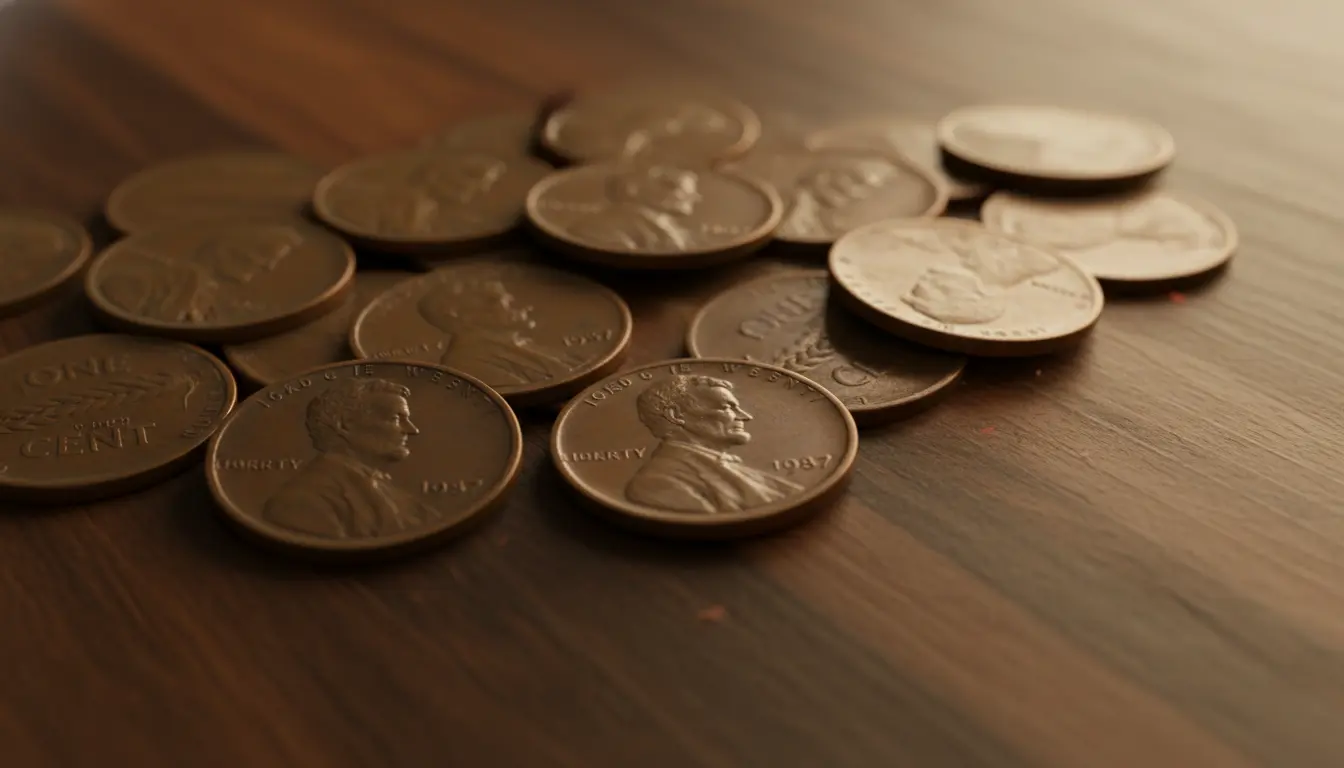
Wheat pennies (1909–1958) remain one of the most collected U.S. coins. This guide explains wheat penny values through the years, what affects price, and practical steps collectors can use to find and value coins.
Wheat Penny Values Through the Years: Overview
Wheat pennies were minted from 1909 to 1958 and feature two wheat stalks on the reverse. Their values range from face value to tens of thousands of dollars depending on date, mint, and condition.

Collectors track a few key dates and varieties that drive value more than the year alone. Knowing those will help you quickly assess worth when you encounter a wheat penny.
Why Dates and Mint Marks Matter
Certain years and mint marks had low production or notable errors, making them scarce. Scarcity plus demand equals higher value in the market.
Examples of valuable issues include the 1909-S VDB, 1914-D, and select 1955 doubled dies. Condition and grading further amplify these values.
Key Dates and Typical Value Ranges

Here are commonly referenced dates and a general sense of value ranges for circulated to uncirculated grades. These are broad estimates and fluctuate with the market.
- 1909-S VDB: $1,500–$400,000 depending on grade and eye appeal.
- 1909-S (no VDB): $200–$20,000 based on condition.
- 1914-D: $300–$50,000; higher in mint state.
- 1922 (no D visible): $100–$3,000; many are weakly struck.
- 1955 Doubled Die Obverse: $300–$50,000 depending on strength.
- Common dates (1930s–1950s): $0.05–$2 in circulated; $5–$50 in uncirculated.
These ranges show the dramatic difference between common cents and premium collector coins. Always verify with current price guides or auction results.
How Condition and Grading Affect Wheat Penny Values
Grading describes a coin’s wear and overall state, and it has a huge impact on value. Professional grading by services like PCGS or NGC often increases buyer confidence and price.

Grades run from Good (G) to Mint State (MS). Even a scarce date in poor condition may be worth far less than the same date in uncirculated condition.
Quick Grading Tips
- Look for sharpness on Lincoln’s hair and cheek—better detail means higher grade.
- Check fields (background) for scratches or spots; they lower value.
- Original luster and minimal wear are signs of higher-grade coins.
Common Varieties and Errors to Watch
Certain varieties and mint errors raise collector interest. Doubling, repunched mint marks, and off-center strikes are examples that can add value.
The famous 1955 doubled die obverse shows strong doubling on the date and the words IN GOD WE TRUST. That variety is instantly recognizable and commands premium prices.
Practical Tips for Finding Valuable Wheat Pennies
Search strategies and careful inspection increase your chances of finding valuable pieces without spending a lot.
- Check rolls from banks—old coin rolls may still hold pre-1965 cents.
- Inspect change you receive; rare finds sometimes turn up in circulation.
- Buy circulated lots with known return policies and inspect closely for key dates.
- Use a 5–10x loupe and a bright light to check for doubling, mint marks, and strong details.
Care and Storage for Wheat Pennies
Proper storage preserves value. Clean coins can lose numismatic value, so avoid cleaning unless done by a professional.
- Store coins in inert holders like mylar flips or acid-free pages.
- Keep coins in stable, low-humidity environments to prevent corrosion.
- Label coins with date and mint mark to keep your collection organized.
Real-World Example: A Small-Time Find
Case study: A local collector bought a roll of pennies from a bank and found a 1909-S VDB in worn but decent condition. The buyer authenticated the coin with a dealer and later sold it at auction.
Outcome: The coin sold for several thousand dollars after third-party authentication, netting the collector a large profit compared to the cost of the penny roll. The key steps were recognition, authentication, and using a trusted auction channel.
When to Seek Professional Help
If you find a potential key date, consider third-party grading or consulting an experienced dealer. Authentication removes doubt and can significantly increase sale price.
Appraisers, grading services, and reputable auction houses have the expertise to evaluate rare wheat pennies accurately.
Resources and Next Steps
To track wheat penny values through the years, use price guides, auction records, and collector forums. Keep a log of your finds and update values periodically.
Joining a local coin club or online community accelerates learning and provides access to trading opportunities. Hands-on experience remains one of the best ways to improve your ability to spot valuable wheat pennies.
Summary: Learn the key dates, sharpen grading skills, and handle coins carefully. With patience and the right knowledge, wheat pennies can be both an enjoyable hobby and a rewarding investment.