
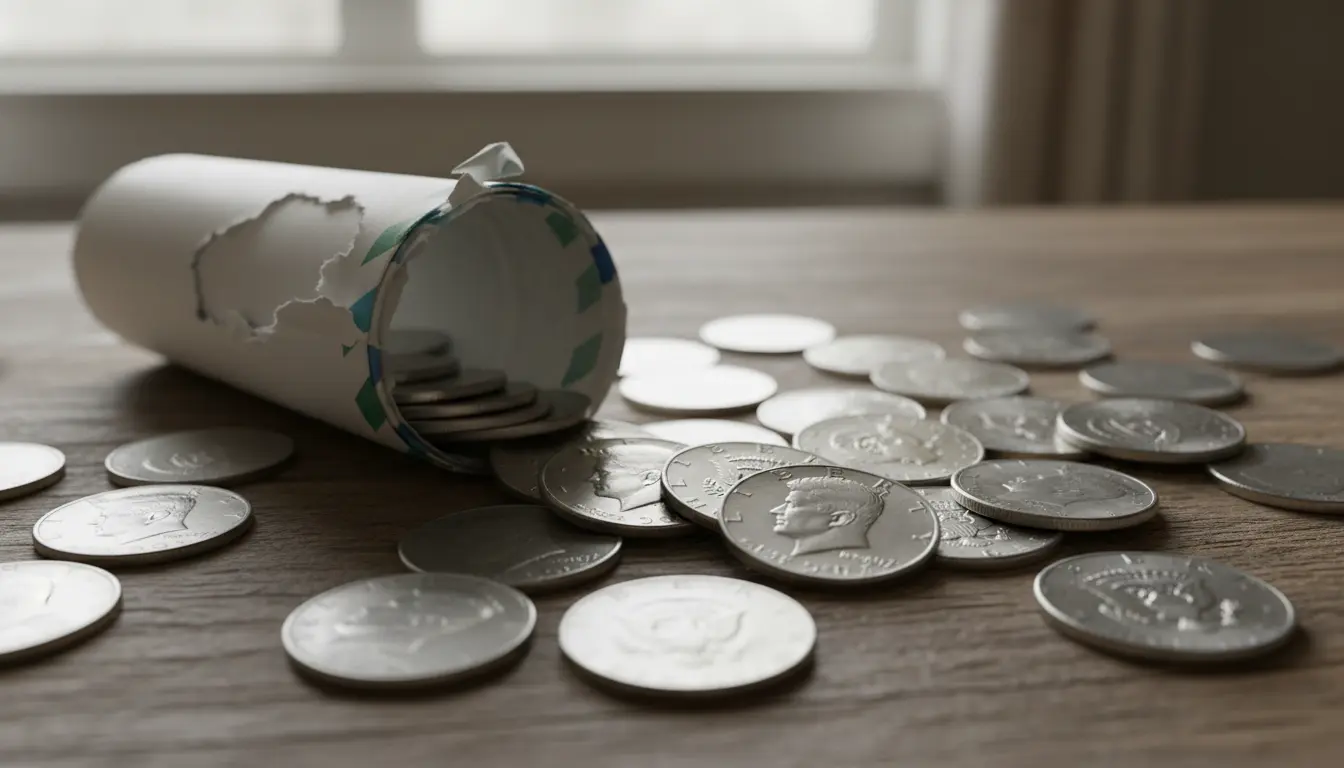
Why Kennedy Half Dollars Rarely Appear in Change
Kennedy half dollars are familiar to many Americans but they are surprisingly rare in everyday change. Several practical factors make them less likely to move through tills and vending machines.
First, the coin’s size and value make it awkward for routine transactions. Many people and businesses simply avoid using half dollars, so they do not circulate as freely as quarters or dollar coins.
Public Use and Retail Habits

Most consumers do not carry half dollars regularly. Cashiers and vending machines are also less accustomed to them, which reduces the coin’s acceptance in daily commerce.
This creates a feedback loop: fewer half dollars in pockets and purses mean fewer half dollars returned to banks via registers, so fewer get reissued into general circulation.
Minting and Distribution Changes
The U.S. Mint’s production and distribution also influence availability. In recent decades, the Mint has produced many Kennedy halves specifically for collectors and roll sales rather than for wide circulation.

When coins are directed into collector rolls or Mint sets, they bypass the Federal Reserve’s regular distribution channels, so they never reach cash registers or coin machines.
Why Kennedy Half Dollars Linger in Bank Rolls
Banks and coin-handling centers often accumulate half dollars instead of putting them back into circulation. The way banks order, store, and distribute coins explains much of this behavior.
How Banks Handle Half Dollars
Banks typically stock coins based on customer demand. Half dollars have low transactional demand, so tellers rarely order them for day-to-day use.

When banks do order half dollars, they frequently receive them in pre-wrapped rolls or bags from the Federal Reserve or coin processors. Those rolls often sit in vaults unless a customer specifically requests half-dollar rolls.
Why They Stay Put
- Low transactional demand from customers and businesses.
- Bulk supply arriving as pre-wrapped rolls that are kept for requests or purchases.
- Collector and hobbyist purchases remove coins from circulation by the roll.
- Some banks prefer to minimize teller handling of odd denominations to reduce errors and time at the counter.
Collector Demand and Hoarding
Collectors play a major role in the scarcity of Kennedy halves in circulation. Many people collect these coins by date and mint mark, especially those with silver content.
Significant dates include 1964 (90% silver) and 1965–1970 (40% silver). These pieces are more likely to be removed from circulation and held in collections or sold to dealers.
Modern Minting for Collectors
Since the early 2000s, a large share of Kennedy half dollars has been produced for collectors, sold as rolls and proof sets. Those coins usually never see pocket or register use.
That practice concentrates many half dollars in collectors’ hands and in bank vaults where rolls wait for buyer requests.
How to Find Kennedy Half Dollars
If you’re looking for Kennedy half dollars, there are practical ways to increase your chances. Most involve working directly with banks or collectors rather than hoping to find them in loose change.
Practical Tips
- Ask your local bank for half-dollar rolls. Some banks will order them for you if they don’t have stock.
- Buy sealed rolls from coin dealers or online auction sites where rolls and mint sets are sold.
- Visit coin shows and local numismatic clubs where collectors trade and sell halves.
- Check coin-counting machines and arcade change boxes—occasionally older coins slip through.
The 1964 Kennedy half dollar is 90% silver. From 1965 to 1970 some halves were 40% silver. From 1971 onward most halves are copper-nickel clad and intended for circulation.
Case Study: A Bank Request vs. Local Circulation
A coin collector in a mid-size city asked two banks for half-dollar rolls. One bank said they did not keep halves on hand and would not order them on short notice. The other bank ordered 10 rolls for the collector and received newly wrapped rolls from a cash processor.
The collector found the coins were primarily modern non-silver issues, confirming that many banks receive rolls intended for collectors or for bulk handling rather than mixed coins from tills. This small case illustrates how supply is managed at the local level.
Summary and Practical Advice
Kennedy half dollars rarely show up in everyday change because consumers and businesses avoid them, the Mint directs many into collector channels, and banks hold rolls until requested. Collectors further remove coins from circulation when they seek specific dates or silver pieces.
If you want Kennedy half dollars, ask banks directly, buy rolls from dealers, or visit coin shows. Understanding distribution and bank behavior gives you the best chance to find these coins without expecting them in daily change.
Quick Checklist to Find Kennedy Half Dollars
- Ask banks to order rolls or check their vault stock.
- Buy from coin dealers or trusted online marketplaces.
- Join local coin clubs to trade or find leads.
- Look for older coin types (pre-1971) if you want silver or collectors’ value.